Understand Key Arboriculture Techniques for Best Tree Maintenance
Having knowledge of arboriculture is important for maintaining a healthy environment. Key practices like pruning and mulching are extremely important in enhancing tree health. In addition, correct irrigation methods are essential for developing strong roots. Nonetheless, many people overlook the symptoms of sick trees and the value of professional arborists. Looking into these areas can result in a better understanding for how to maintain trees. What steps can one take to help their trees grow strong?
Grasping the Value of Healthy Trees
Knowing why tree health is crucial is vital, as trees are instrumental in keeping nature balanced and improving city settings. Strong trees assist with the quality of the air, give shelter, and provide refuge for nature. They also help mitigate global warming by capturing carbon, which makes them vital for long-term ecological health.
Within metropolitan areas, healthy urban trees look better, raise the value of homes, and promote community well-being. Trees help diminish heat island effects in cities, resulting in reduced utility bills.
Neglecting tree health, in contrast, can result in disease, bug invasions, and structural instability, presenting hazards to the trees and nearby structures alike. Therefore, recognizing the indicators of tree health, such as leaf coloration, its development rate, and the state of the bark, is vital for successful maintenance. In the end, promoting tree health helps more than personal gardens but also the broader ecosystem, emphasizing the need for preventative maintenance and care methods.
Crucial Techniques for Cutting Branches
Pruning is an important practice in tree care that guarantees ideal growth and health, as it removes dead or diseased branches and boosts ventilation within the canopy. Using the right methods ensures the trees can flourish where they are planted.
One fundamental technique is "thinning," which means taking off certain branches to allow more light through and reduce weight on weaker limbs. 'Tip pruning' is one technique, where the terminal buds are removed to encourage thicker growth, mainly in juvenile trees. Furthermore, the process of 'crown reduction' decreases the size and reach of a tree but keeps its characteristic silhouette.
Timing is essential; pruning during the dormant season reduces strain and ensures faster recovery. Pruning implements must be sharp and sterile to avoid damage and infection transfer. Grasping these critical pruning practices is crucial for any tree care professional focused on preserving healthy and visually appealing trees.
Identifying Common Tree Diseases
How can tree owners recognize the signs of common diseases that threaten their trees? Familiarity with key indicators is critical for prompt identification and treatment. Typical signs involve discolored or wilting leaves, possibly indicating a fungus or a lack of necessary nutrients. Strange developments, for example, galls and cankers, can signal the presence of pests or pathogens that weaken the tree. In addition, bark shedding or sticky sap might suggest an infection that demand quick action.
Tree owners should also observe changes in tree structure, like premature leaf shedding or related content dead branches, suggesting a deeper, more serious issue. Looking out for insect attacks, like frass or bore holes, is necessary too. By remaining vigilant and proactive, tree owners can identify these common diseases and find suitable treatments, making sure their trees stay strong and lively all year long.
The Role of Mulching in Tree Care
Mulching serves as an important practice in tree care, offering numerous benefits that foster robust growth and durability. It means spreading a layer of organic or inorganic material around the base of a tree, aiding in moisture retention, preventing weed growth, and stabilizing soil warmth. This insulating layer doesn't just limit rivalry from unwanted vegetation but also boosts the visual appeal of the yard.
Furthermore, organic mulches, such as wood chips or bark, gradually decompose, adding vital nutrients to the soil and improving its structure. This continuous action aids in root growth and fosters a healthier environment for the tree. Moreover, mulching can prevent soil erosion, maintaining the stability of the tree’s root system. Properly applied mulch must be distributed in a donut shape, avoiding direct contact with the trunk to avoid rotting. In summary, making mulching a part into tree care routines greatly supports to the sustained well-being of trees.
Effective Watering Techniques for Trees
Effective tree care requires not only mulching but also correct hydration methods to guarantee ideal growth and health. Tree specimens, especially those recently planted, demand regular water to form solid root networks. Deep watering is essential, as it promotes roots to descend where moisture is steadier. Optimally, trees ought to get approximately an inch of water per week, be it from precipitation or additional watering.
Watering should be done early in the morning to minimize water loss and disease caused by fungi. One must be careful not to overwatering, which often causes root decay and related complications. Check the ground for moisture before watering; should the top two inches be arid, then watering is necessary. Additionally, utilizing drip irrigation or drip irrigation delivers a gradual, continuous stream of water, ensuring that trees receive adequate hydration without the danger of water runoff. Effective hydration techniques are essential contributors to the general well-being of trees.
Engaging Expert Arborists: The Timing and Rationale
When considering the health and aesthetics of a property, engaging expert tree care may prove essential for homeowners with complicated tree maintenance requirements. Trained arborists hold the expertise to assess tree health, identify diseases, and implement effective treatments. Arborists are also aware of local regulations for removing trees and maintenance, making sure they comply and avoiding potential fines
(Stillwater Tree Service)It is wise for homeowners to engage professionals when dealing with big trees, particularly those near structures or power lines, as mishandling creates safety hazards. Additionally, trees requiring pruning for looks or well-being profit from the expertise of trained specialists who can perform careful trimming to stimulate new growth
Routine seasonal work, such as preparing for storms and clearing debris, need professional assistance to keep the property safe and appearance. In the end, hiring certified arborists makes certain trees get the best attention, which benefits greatly the entire outdoor space and home valuation
Commonly Asked Questions
What Are the Signs if My Tree Is Receiving Too Much Water?
Symptoms of excessive watering are yellowing leaves, drooping even when the ground is wet, decaying roots, and excessive leaf drop. In addition, the development of mold or fungus around the base may indicate slow soil percolation and excess moisture.
What's the Optimal Season for Tree Pruning?
The optimal period to prune trees is usually between late winter and the start of spring prior to bud break - Stillwater Tree Service. This timing promotes healthy growth and reduces the tree's strain, enabling rapid wound closure and further growth
Do Trees Bounce Back After Significant Weather Events?
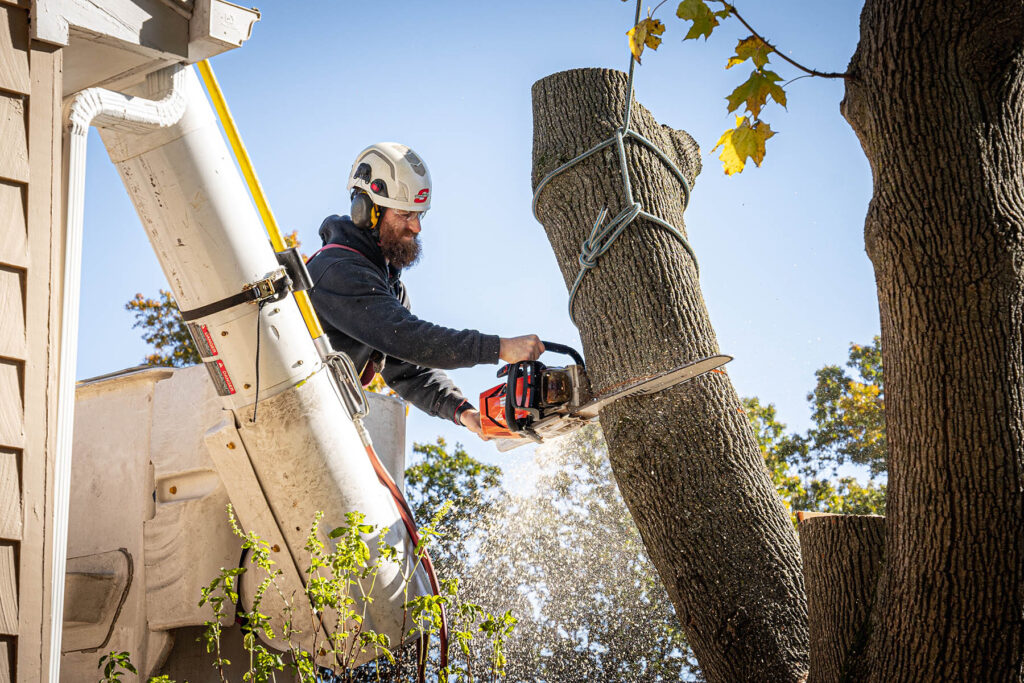
It is possible for trees to bounce back after severe weather. With proper care, like trimming broken branches and ensuring sufficient hydration and feeding, a lot of trees can become healthy again and continue to thrive after experiencing significant stress.
How Do I Choose the Right Mulch for My Trees?
When selecting appropriate mulch, it is best to use organic options for example, bark nuggets or wood shavings, apply it to a depth of 2-4 inches, and never stack mulch against the base to prevent disease.
Are There Specific Trees That Require More Care Than Others?
Specific varieties, like young trees and fruit-bearing plants, need extra maintenance because they react strongly to environmental shifts and specific nutrient needs. Regular monitoring and tailored maintenance practices are vital for their condition and flourishing.